
Most small-bedroom advice is written for a room that doesn't exist — one with perfect natural light, no radiator in the corner, and a landlord who's fine with you painting an accent wall. If you're moving into a starter home with a 10x10 second bedroom, converting a den in an apartment, or trying to make a "master" that's really just a slightly bigger regular room work with a queen bed, the generic tips ("use mirrors! go light and airy!") only get you so far. Here's what actually changes the way a small bedroom functions.
The Real Constraint: Can Your Room Even Fit a Queen Bed Comfortably?
Before picking colors or furniture, do the math. A queen mattress is 60 inches by 80 inches. For the room to function — not just technically fit the bed, but let you make it, walk around it, and open closet doors — you need:
- At least 24 inches of clearance on both sides of the bed for walking space
- 36 inches at the foot of the bed if it's the main walkway to a door or closet
- 6–8 inches between the headboard and any window, if the bed sits under one
That means a queen bed realistically needs a room close to 10x10 feet minimum to avoid feeling cramped, and ideally 10x12 or larger if you also want a dresser. If your room is smaller than that — common in prewar apartments and older American homes with boxy secondary bedrooms — a queen may genuinely be the wrong call, and a full-size bed with a good mattress topper might serve you better than fighting the geometry every day. That's a trade-off worth naming honestly instead of pretending every room can "make it work."
Layout Ideas for a Queen Bed in a Small Room
Push the bed against the longest wall, not the wall opposite the door. People default to centering the bed under a window because that's what shows up in photos, but the longest uninterrupted wall usually gives you the most usable floor space on both sides.
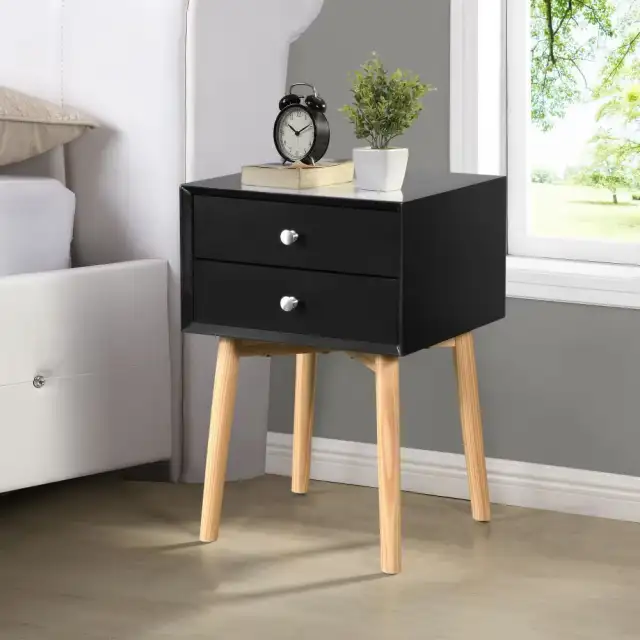
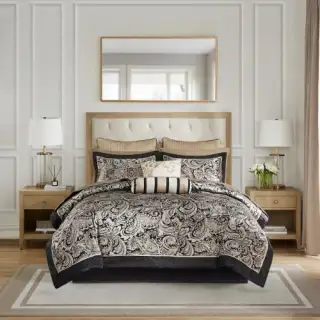
Skip the matching two-nightstand setup if the room is under 10x10. One nightstand on the accessible side and a slim wall-mounted shelf on the other (12–14 inches deep) keeps a landing spot for a lamp and phone without eating floor space. This is a compromise, not a downgrade — you lose symmetry, you gain 2–3 square feet of walkable room.
Float the bed away from the wall only if you have 30+ inches behind the headboard for a bench, bookshelf, or room divider. In anything smaller, this "floating" trend actually shrinks usable space rather than expanding it — a good example of advice that works in a 200-square-foot bedroom and actively hurts you in a 110-square-foot one.
Corner placement (headboard against one wall, side of the bed against the adjacent wall) works well in oddly shaped rooms and can free up an entire wall for a dresser or desk, but it does mean only one side of the bed is accessible — a real consideration for couples, less of one for a single sleeper.
How to Make a Small Bedroom Look Bigger (Without Fighting the Floor Plan)
The furniture-with-visible-legs rule gets repeated everywhere because it's true: a bed frame, dresser, or chair with 4–6 inches of visible leg lets your eye read the floor as continuous, which reads as more space than a room packed with box-style furniture sitting flush to the ground.
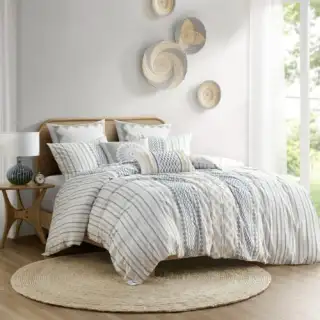
Less commonly mentioned: rug size matters more than rug color. A rug that's too small, floating in the middle of the room with bare floor on all sides, makes the room look chopped up. Sizing a rug so at least the bottom two-thirds of the bed sits on it, extending toward the walkable side, visually stretches the floor.
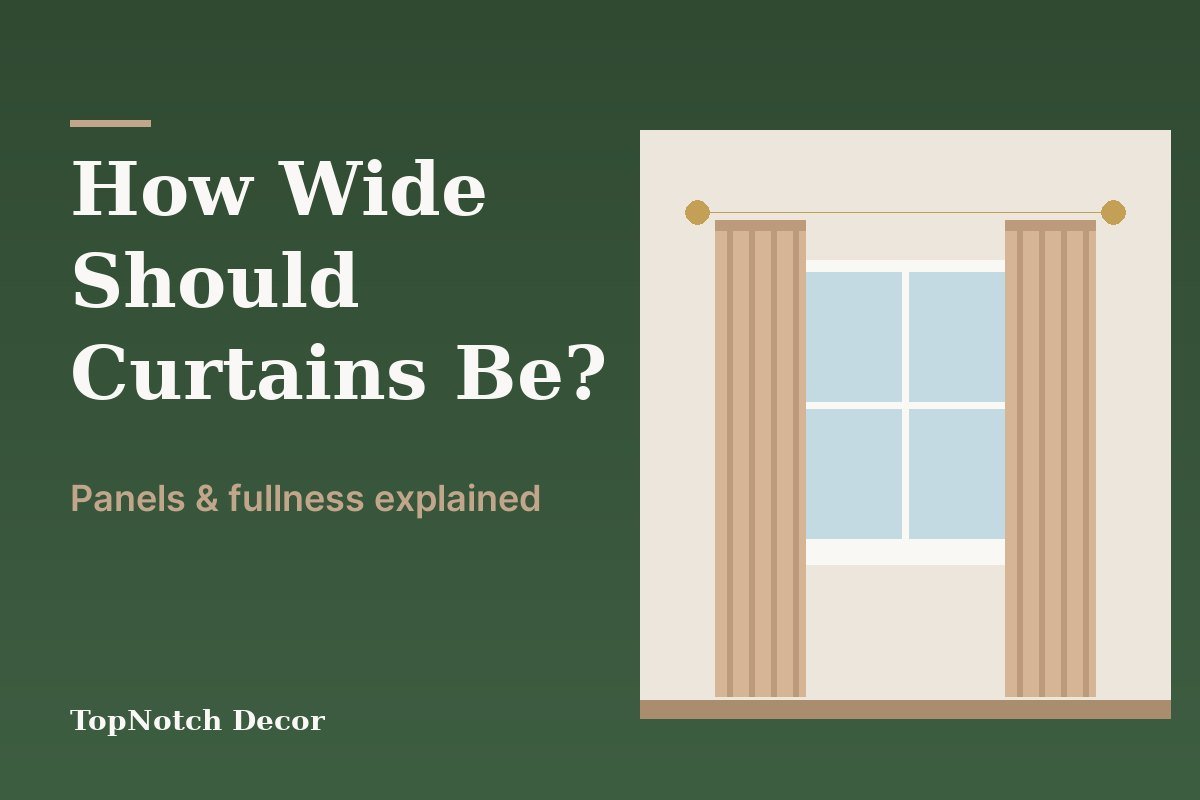
Vertical elements pull the eye up, which is why floor-to-ceiling curtains (mounted a few inches above the actual window frame, not at it) and tall, narrow bookshelves outperform wide, short furniture of the same storage capacity.
One large mirror does more than several small ones. Placed to reflect a window or a light source — not directly across from the bed, which some feel is disruptive to sleep, though that's a personal comfort preference rather than a design rule — a mirror roughly 30x40 inches or larger creates a genuine sense of depth that a gallery of small decorative mirrors doesn't replicate.
Small Bedroom Color Ideas to Make It Look Bigger — and the Trade-Offs Nobody Mentions
The standard advice is "paint it white or light gray to make it feel bigger," and that's true in rooms with strong natural light. But in a small bedroom with one north-facing window, an all-white room can end up feeling flat and slightly gray-blue at night rather than airy — a common disappointment that isn't the color's fault, it's the light's fault.
Better-performing options for small, average-light bedrooms:
- Warm off-whites and soft greiges — hold up in both daylight and lamp light without turning cold
- Muted sage or soft blue-green — reads as calm rather than sterile, and doesn't show scuffs as readily as pure white
- Soft clay or warm terracotta on just the ceiling ("fifth wall" treatment) — counterintuitively, this can make a low ceiling feel higher by removing the contrast line where wall meets ceiling
The Best Bedroom Colors for a Space That Feels Like an Exhale
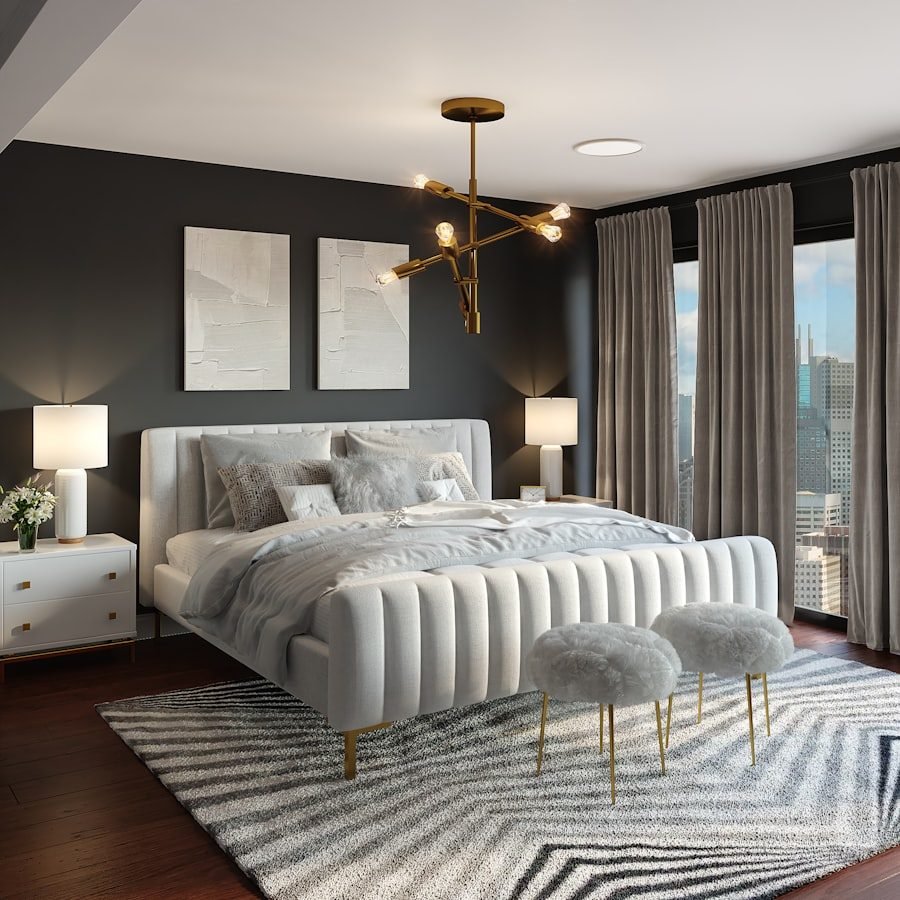
If the goal isn't maximum square-footage illusion but a room that feels calm to fall asleep in, the two goals sometimes pull in different directions. Saturated, moody colors — deep green, warm charcoal, muted navy — can make a small room feel intentional and cocoon-like rather than cramped, but only when paired with layered lighting (not just one overhead fixture) and enough visible floor to keep it from feeling closed in. A dark room with cluttered floor space reads as small; a dark room with a clear floor and warm lamp light reads as restful. The color isn't the deciding factor — what's happening at floor level is.
(Specific paint brand and color-name recommendations should be verified against current catalogs and swatched in your actual room lighting before committing — undertones shift significantly between daylight and evening lamp light.)
Small Bedroom Ideas for Apartments — the Renter-Specific Version
Apartment dwellers face a constraint homeowners don't: you often can't paint, can't drill for shelving, and may not be able to swap light fixtures. That changes the priority order:
- Removable wallpaper or a large framed piece behind the bed substitutes for an accent wall
- Command-strip picture ledges replace drilled floating shelves for books and decor
- Plug-in sconces mounted with adhesive hooks solve the "no overhead lighting, no outlet near the bed" problem common in older apartment bedrooms
- A tension curtain rod inside the window frame, paired with a second rod mounted higher with removable hooks for floor-length curtains, gets you the vertical-height illusion without wall damage
Small Master Bedroom Design Ideas for Small Spaces
A "small master" often isn't actually small in absolute terms — it's small relative to what it's expected to hold: a queen or king bed, two nightstands, a dresser, sometimes a small seating area, and access to an ensuite bathroom or walk-in closet door that needs clearance.
The fix that's usually skipped: treat the dresser as optional inside the bedroom. If closet space allows built-in drawers, moving the dresser out of the bedroom entirely often solves more of the "this room feels tight" problem than any paint color or mirror placement will. It's a bigger ask than a Pinterest tip, but it's the one that actually changes the math.
Common Mistakes Worth Avoiding
- Buying a rug after the furniture is placed, rather than sizing it first
- Choosing a headboard taller than the available wall height allows for a natural ceiling gap
- Adding a large area of gallery-wall art directly above the bed in a room under 10x10 — it visually lowers the ceiling
- Assuming "more storage" always means "less clutter" — a room full of storage furniture can feel smaller than a room with fewer, better-chosen pieces
Frequently Asked Questions
What is the smallest room a queen bed can comfortably fit in? Roughly 10x10 feet is the practical minimum for a queen bed plus basic walking clearance on both sides. Below that, a full-size bed usually functions better day to day.
How much clearance do you need around a queen bed? At least 24 inches on each accessible side, and 36 inches at the foot if that's also the walking path to a door or closet.
Does painting a small bedroom white always make it look bigger? Not always. In rooms with limited natural light, white can look flat or slightly cold. Warm off-whites, soft greiges, or muted sage tend to perform more consistently.
Can a dark-colored small bedroom still feel spacious? It can feel calm and intentional rather than cramped, but it depends on layered lighting and keeping the floor uncluttered — the color itself isn't the deciding factor.
What's the best bed size for a small apartment bedroom? If the room is under 10x10 feet, a full-size bed often leaves more usable floor space than a queen, even though queen is the more common default choice.
Should I put my bed under the window in a small room? Only if there's 6–8 inches of clearance between the headboard and the window frame; otherwise, the longest wall is usually the better placement for airflow and space.
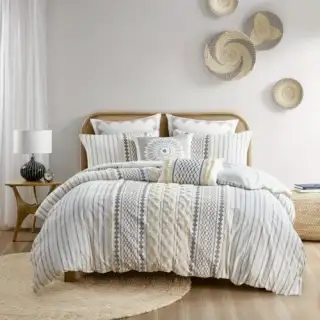
What can renters do instead of painting an accent wall? Removable wallpaper, a large framed print, or a fabric tapestry behind the bed can achieve a similar visual effect without violating a lease.
Do mirrors actually make a small bedroom look bigger? One well-placed, larger mirror reflecting a window or light source tends to work better than several small decorative mirrors scattered around the room.
Where should the dresser go in a small master bedroom? If closet space allows, moving the dresser out of the bedroom and into built-in closet drawers often solves more space pressure than any layout or color adjustment inside the room itself.
Is floating the bed away from the wall a good idea in a small room? Only if there's at least 30 inches of clearance behind the headboard; in smaller rooms, this popular design trend tends to shrink usable space rather than expand it.