
Your living room works harder than almost any other room in the house — it's where you relax after work, host guests, and probably spend more waking hours than anywhere except the kitchen. That makes it worth getting right, but "right" looks different depending on your style, your space, and your budget. This guide walks through the foundational decisions every living room needs, then breaks down how to adapt them across the styles homeowners ask about most, and closes with real, low-cost ways to refresh a room you already have without replacing a single piece of furniture.
Start with a Neutral, Versatile Foundation
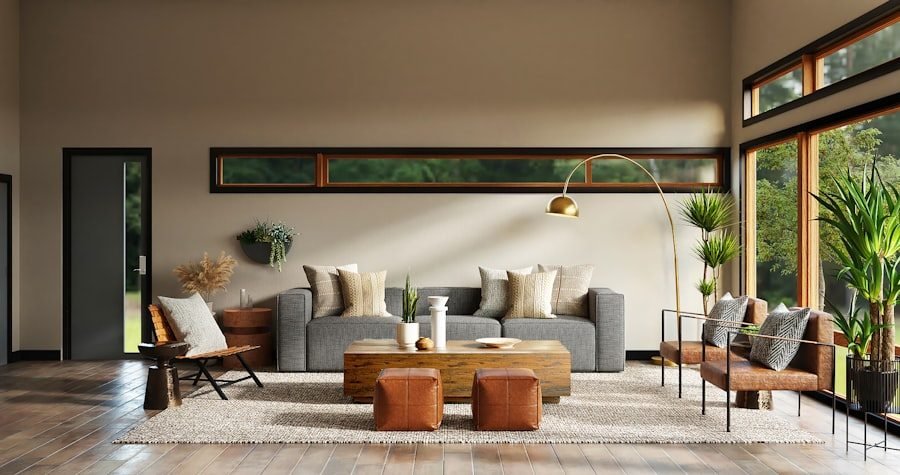
Before you think about color schemes or accent pieces, get the big-ticket items right. Your sofa is the anchor of the room, both visually and functionally, and it's the piece you'll live with longest — which is exactly why a neutral color like beige, greige, charcoal, or soft white is usually the smarter long-term choice over a trend color. A neutral sofa lets you change the room's mood entirely through pillows, throws, and art, without ever reupholstering. Pair it with a coffee table sized to your actual seating layout (as a rule of thumb, leave 14–18 inches of walking room between the table and the sofa) and one or two accent chairs that can carry more personality than the sofa itself.
Plan the Layout Around How You Actually Move Through the Room
Furniture arrangement gets less attention than color or decor, but a room can have the right pieces and still feel wrong if the layout ignores how people actually move through it. Leave at least 30 inches of walkway anywhere someone needs to pass, and resist the urge to push every piece against the wall — floating a sofa a few feet out, even in a smaller room, usually creates a more inviting, conversation-friendly layout than lining furniture around the perimeter. If the room serves double duty (a TV-watching zone and a conversation area, for example), define each zone with its own rug or furniture grouping rather than letting everything blend into one undifferentiated space. And before buying anything new, measure your doorways as carefully as you measure the room itself — a sofa that fits the floor plan on paper but can't get through the front door is a more common problem than most people expect.
Layer in Texture Before You Worry About Color
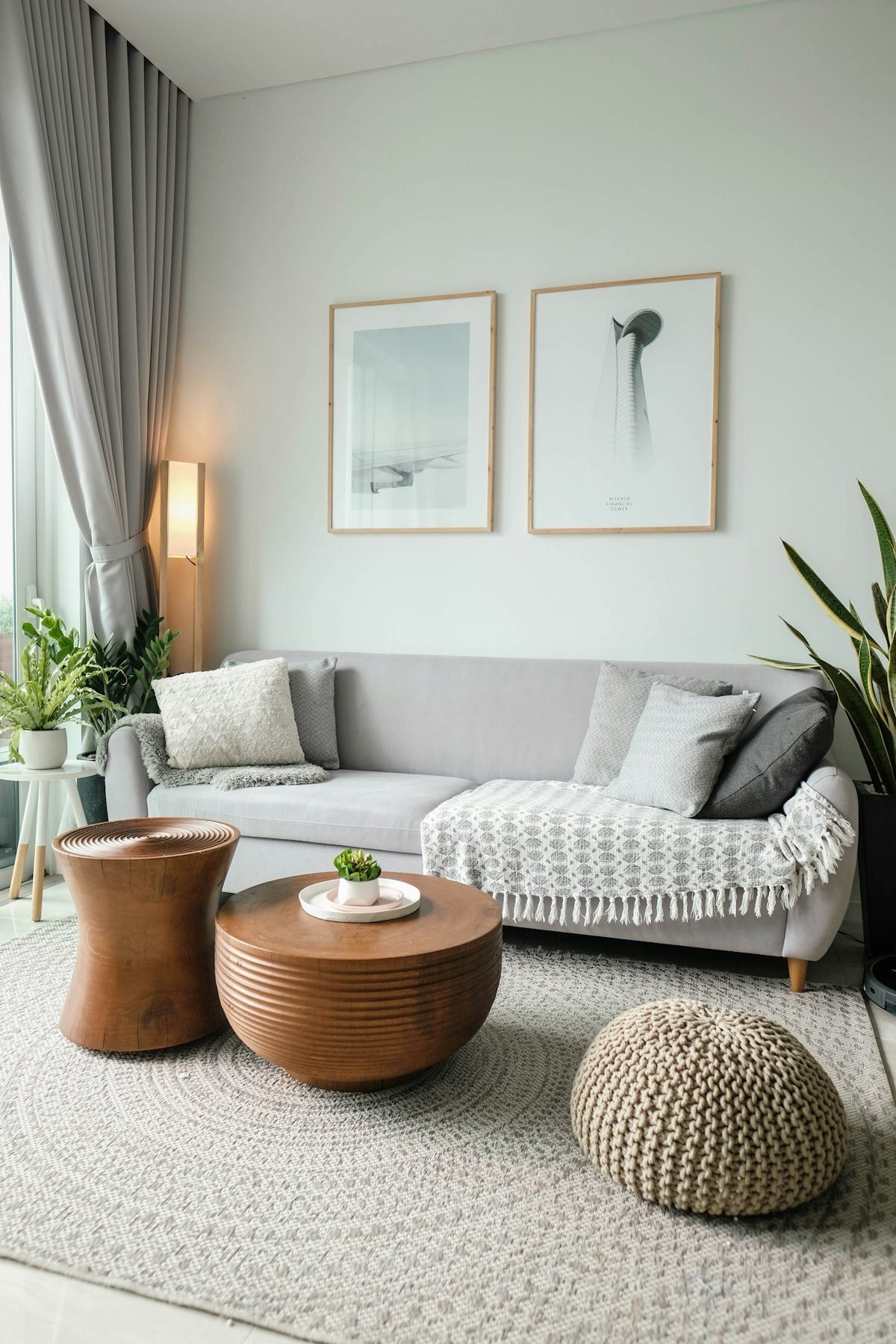
A room full of neutral, flat surfaces reads as unfinished, not sophisticated — texture is what makes a neutral palette feel intentional instead of empty. Build it in layers: a rug underfoot (sized to at least have your front furniture legs resting on it, not floating in the middle of the floor), a mix of throw pillow fabrics — linen, boucle, velvet — rather than four identical cushions, and a knit or woven throw draped over the sofa arm or an accent chair. Mixing matte and slightly reflective surfaces (a woven rug against a smooth leather chair, for example) adds depth that a single-texture room can't match.
Choose a Color Palette That Works With Your Actual Light
The paint swatch that looked perfect at the store can look completely different once it's on your wall, and the culprit is almost always light — a north-facing room reads cooler and grayer than the same color in a south-facing room with warm afternoon sun. Before committing to a wall color, paint a sample directly on the wall (not just a swatch propped against it) and check it at three different times of day, since lighting shifts more than most people expect between morning, midday, and evening. As a general rule, a smaller or darker room can often handle a richer, more saturated wall color better than a timid in-between shade, since a strong color read as intentional; it's the muddy middle-ground colors that tend to make a small room feel dim rather than cozy. If you're not ready to commit to paint, you can build most of the same color story through pillows, art, and rugs first, and let the walls catch up once you're confident in the direction.
Use Wall Art to Anchor the Room
Empty walls are the single most common reason a living room feels unfinished, even when the furniture is exactly right. You don't need to be an art collector to solve this — a gallery wall of framed prints, family photos, or affordable art-print reproductions creates the same visual anchor as a single expensive piece, at a fraction of the cost. If you'd rather keep it simple, one oversized print or canvas above the sofa (sized to roughly two-thirds the width of the sofa) does the job on its own. Either way, hang art at eye level — roughly 57 inches from the floor to the center of the piece — rather than too high, which is the most common hanging mistake.
Layer Your Lighting — Don't Rely on One Fixture
A single overhead light is almost never enough for a living room, and it's usually the reason a room feels flat or harshly lit in photos even when it looks fine in person. Aim for three layers: ambient light from an overhead fixture or ceiling fan light for general visibility, task light from a floor lamp positioned near a reading chair, and accent light from a table lamp or a picture light that highlights art or a favorite shelf. If you only add one thing, make it a floor lamp with a warm-temperature bulb (2700–3000K) — it does more to make a room feel finished and cozy in the evening than almost any other single purchase.
Decorating for Your Style
The foundation above works no matter what look you're going for — the differences between styles come down to material choices, color intensity, and how much pattern you introduce.
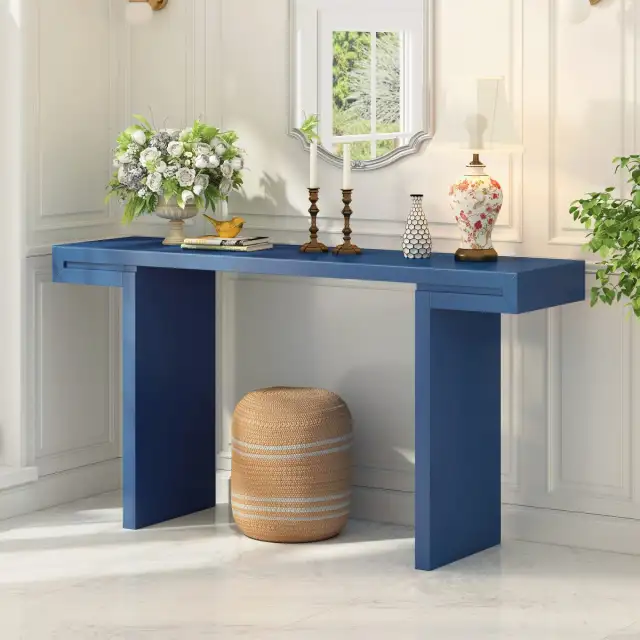
Modern and minimalist: Stick to a tight color palette (two or three colors, max), clean-lined furniture without ornate detailing, and let negative space do some of the work — a minimalist room doesn't need every surface filled. Metal and glass accents (a slim console table, a black-framed mirror) reinforce the look.
Traditional and classic: Richer, warmer colors, furniture with turned legs or tufted upholstery, and symmetry — matching lamps on either side of a sofa, or a pair of armchairs facing each other — all read as traditional. Layered window treatments (drapes plus a sheer) complete the look.
Bohemian: This is the style where you can break the "neutral sofa" rule if you want — bohemian rooms thrive on layered patterns, global textiles, mixed wood tones, and plants in varied pot styles. The key is intentional layering rather than randomness: pick a color thread (rust, terracotta, or deep green are common bohemian anchors) and repeat it across your patterns so the mix still feels cohesive.
Scandinavian: Light woods, white or pale walls, and a restrained, functional approach to furniture. Texture does the heavy lifting here since the color palette stays so quiet — a chunky knit throw or a sheepskin on a chair adds warmth without breaking the simplicity.
Industrial: Exposed materials — black metal, reclaimed wood, leather — paired with a more muted, moody color palette. A pendant light with an exposed bulb or a metal-framed coffee table are easy ways to introduce the look without a full renovation.
Coastal: Light, airy fabrics, blues and sandy neutrals, and natural materials like rattan or jute. A jute or sisal rug and linen slipcovers go a long way toward this look without needing beach-themed decor, which can tip the room into looking like a novelty rather than a considered style.
Budget-Friendly Ways to Refresh a Living Room You Already Have
You don't need to replace your sofa — or anything else — to give a living room a genuine refresh. These are the changes that make the biggest visible difference for the least money, roughly in order of impact:
- Declutter first. This is free, and it's often the single most effective step of all. A room with fewer, more intentional objects on display almost always looks more put-together than a room with more decor crammed into it — clear surfaces before you add anything new.
- Swap throw pillow covers, not the pillows. New covers cost a fraction of new pillows and let you change the room's color story completely in an afternoon.
- Add or replace the rug. A worn or too-small rug ages a room faster than almost anything else; a new one — even a budget option — resets the whole floor plan visually.
- Rearrange your existing art. Moving pieces to new walls, regrouping a scattered collection into a gallery cluster, or simply re-hanging something at the correct eye-level height costs nothing and can transform a room that's felt "off" for months.
- Bring in a plant or two. Even a single mid-size plant adds life and color without any real cost, and low-maintenance options like pothos or snake plants tolerate imperfect light and inconsistent watering.
- Move your furniture. Before buying anything, try floating your sofa away from the wall or angling a chair — sometimes the room just needs a new layout, not new pieces.
None of these require a big budget or a weekend of renovation — most can be done in an afternoon, and several cost nothing at all. Start with decluttering and a furniture rearrange before you spend a dollar; you may find the room needed less "new stuff" than you thought, and a clearer sense of what's actually worth buying once you do.
Putting It All Together
A living room that works doesn't happen by accident, but it also doesn't require an interior design degree — it comes down to a few repeatable decisions: a versatile foundation, layered texture, intentional wall art, layered lighting, and a style direction you actually stick to instead of mixing five aesthetics into one. Whether you're furnishing a room from scratch or refreshing one you've lived in for years, start with the foundation, adjust the details to your style, and use the budget-friendly changes above whenever the room needs a reset that doesn't need to cost anything close to a full redecorate.