
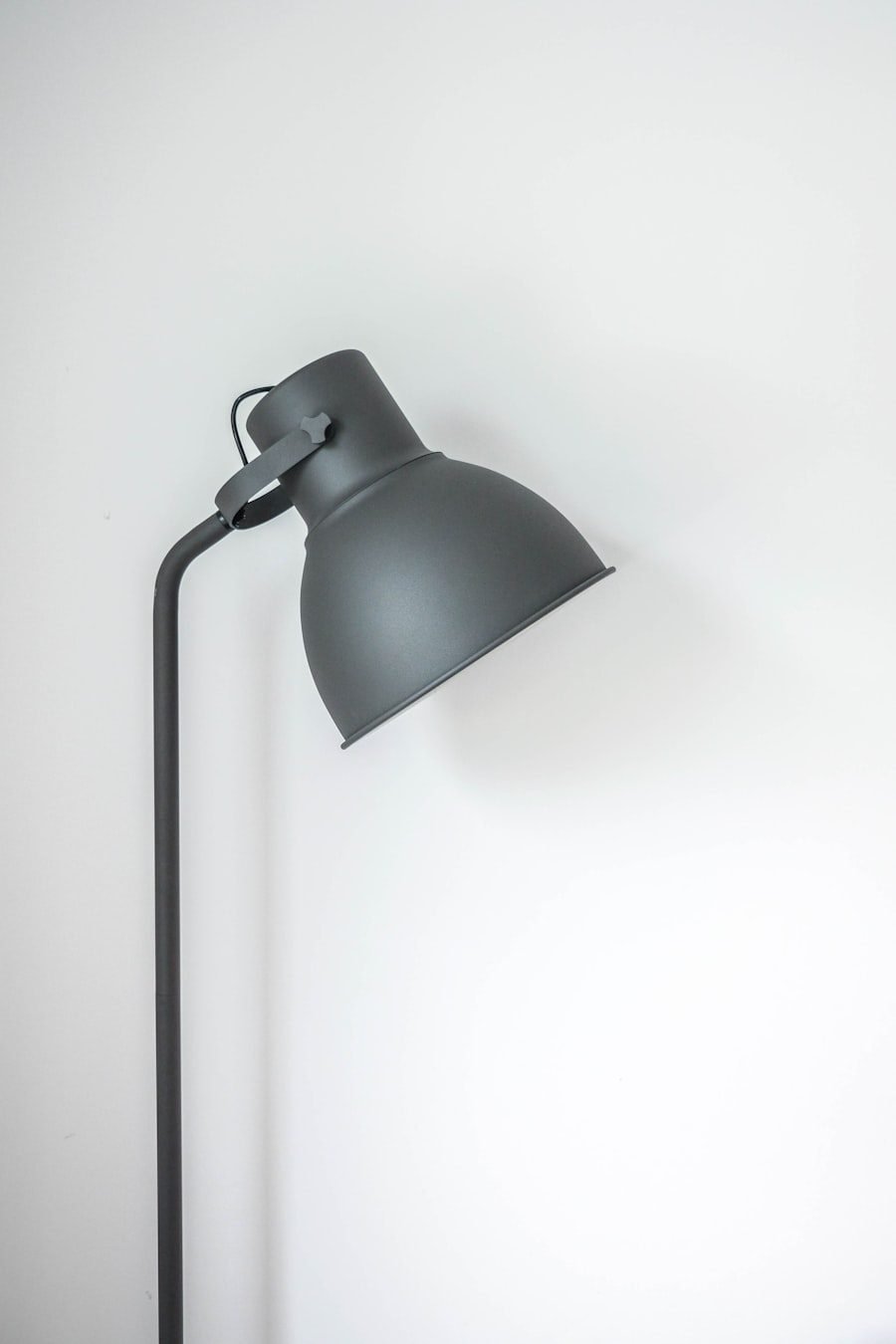
A Simple and Must Guide to Interior Lighting
Most homes in the U.S. have the same problem: one overhead fixture in the middle of the ceiling, doing all the work. It was fine for previous tenants or the last owner, but the moment you move in, rearrange furniture, or try to make a room feel like yours, that single light source stops being enough. This shows up most when people are moving, renovating, or trying to make a small apartment feel less like a waiting room.
The fix isn't buying a trendier lamp. It's understanding what each light in a room is actually supposed to do, and how much of it you need — which is where most guides stop short.
Ambient, Task, and Accent Light Aren't Categories — They're Jobs
Every light source in a room is doing one of three jobs, and most rooms fail because they only have one of the three covered.
Ambient light is the base layer — general illumination so you can walk through a room without bumping into furniture. This is usually your overhead fixture or recessed lighting.
Task light is aimed at a specific activity: reading, chopping vegetables, applying makeup, working at a desk. A ceiling light six feet away doesn't do this job well, no matter how bright it is — the angle is wrong and it casts shadows exactly where you need clarity.
Accent light highlights something — a piece of art, a bookshelf, an architectural detail — and adds depth to a room so it doesn't look flat under one flood of light.
The mistake most people make isn't skipping accent lighting. It's assuming ambient light alone can cover task needs. It can't, and buying a brighter ceiling bulb to compensate usually just makes the room feel like an office.
How Many Lumens Do You Actually Need?
This is the part most articles avoid because it involves a small calculation, but it's the single most useful number you can walk away with.
The rough formula: square footage of the room × recommended foot-candles for that room's function = total lumens needed.
General guidance (verify against current IES recommendations or a lighting professional for precision, since these vary slightly by source):
- Living rooms: ~10–20 foot-candles for general ambient use
- Kitchens (task areas like counters): ~30–40 foot-candles
- Bedrooms: ~10–20 foot-candles ambient, 30+ for a reading nook
- Home offices: ~30–50 foot-candles at the desk
Example: a 200-square-foot living room at 20 foot-candles needs roughly 4,000 lumens of total ambient light. That's not one bulb — a standard LED bulb produces somewhere around 800–1,100 lumens, so you're looking at combining a ceiling fixture with two lamps, not relying on one 60-watt-equivalent bulb in the center of the ceiling and wondering why the corners are dark.
This math also explains why a room can feel "dim" even with a bright bulb overhead — the total lumen count in the room is low, even if the single source is intense.
Warm vs. Cool Light: The Trade-off Nobody Explains Well
Color temperature is measured in Kelvin, and the number matters more than most people assume when picking bulbs:
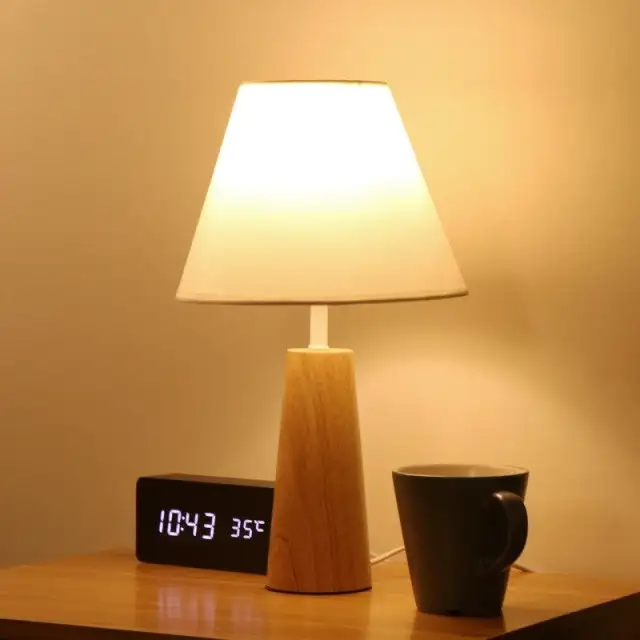
- 2700K–3000K (warm white): the closest to old incandescent bulbs. Good for living rooms, bedrooms, dining areas — anywhere you want to relax.
- 3500K–4100K (neutral white): common in kitchens and bathrooms where you want clarity without the clinical feel.
- 5000K+ (daylight/cool white): best for garages, workshops, or task-heavy areas like a home office where alertness matters more than ambiance.
The trade-off: cool light makes colors and details look sharper (useful in a kitchen while cooking), but the same light in a living room can make the space feel sterile, almost like a retail store. Warm light does the opposite — it's flattering and relaxing, but bad for detail-oriented tasks like reading fine print or applying makeup.
If you only remember one thing: don't mix Kelvin temperatures in the same room unless you're doing it deliberately for layering. A warm lamp next to a cool overhead light will look like a lighting mistake, not a design choice.
Small Apartments and Rentals: Different Rules Apply
If you're renting, your lighting plan has to work without rewiring anything, which most interior design content quietly ignores.
Practical apartment approach:
- Skip fixtures that require hardwiring; prioritize plug-in floor lamps, table lamps, and puck lights with adhesive mounts.
- Smart bulbs (screw into any existing socket) are usually a better first move than smart switches, since switches often require rewiring or a neutral wire that older buildings may not have.
- For small spaces, uplighting (a floor lamp aimed at the ceiling) makes rooms feel taller and adds ambient light without consuming floor space with an additional table lamp.
- Under-cabinet LED strips in kitchens are one of the higher-impact, lowest-effort upgrades for renters, since most are battery or plug powered.
For homeowners renovating, recessed lighting and hardwired dimmers become worthwhile investments — but factor in electrician costs, which vary significantly by region and scope of the job, so get a local quote rather than assuming a fixed price.
Layered Lighting, Applied to a Real Living Room
Rather than a generic "layer your lighting" tip, here's what that actually looks like in a typical American living room:
- Ambient: recessed ceiling lights or a central fixture, dimmable if possible
- Task: a floor lamp beside the reading chair, positioned so light falls over the shoulder, not from behind the head
- Accent: a small picture light or LED strip behind a shelf or TV console
That's three light sources at three different heights doing three different jobs — which is what makes a room look designed rather than just lit.
Energy Efficiency, Without the Overstated Claims
LED bulbs use significantly less energy than incandescent bulbs for the same light output and last considerably longer, which is well established. What isn't safe to state generically is the exact dollar savings per year, since that depends on your local electricity rate, how many hours the lights run, and how many fixtures you're replacing — this is a calculation worth doing with your own utility bill rather than trusting a blanket number.
What's Actually Changing in 2026
The more relevant shift for a homeowner isn't aesthetic trends — it's the wider availability of tunable white bulbs that adjust Kelvin temperature throughout the day (warmer in the evening, cooler during work hours) without needing separate warm and cool fixtures. For renters and small apartments, this solves the warm-vs-cool trade-off without buying multiple bulb types. Specific trend claims about finishes or fixture styles change quickly and are worth verifying against current retailer catalogs rather than a static article.
Where to Start
If you're only fixing one room this month, start with whichever space you use for the most hours in the evening — for most people, that's the living room or bedroom. Get the ambient and task layers right there first; accent lighting and the rest of the home can follow once you've confirmed the lumen math and Kelvin choice actually feel right in daily use, not just on paper.