
Ask five sources what color helps you sleep and you'll get five confident, slightly different answers. That's not because nobody's looked into it — it's because most of what gets cited as proof is a hotel chain's customer survey, not a sleep lab. Worth sorting out before you buy a gallon of paint.
Start with what's actually been measured. Color affects the body through the retina's ganglion cells, which feed into the part of the brain regulating your circadian rhythm — this is real physiology, and it's the reason dim, warm light before bed matters more reliably than any specific wall hue. Where things get shakier is the leap from "light affects circadian rhythm" to "therefore blue walls specifically improve sleep," which is where most articles quietly stop explaining and start asserting.
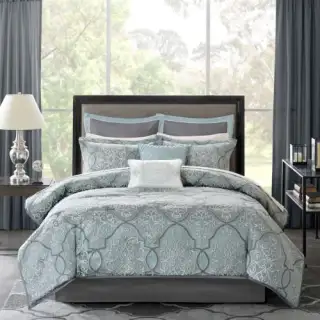
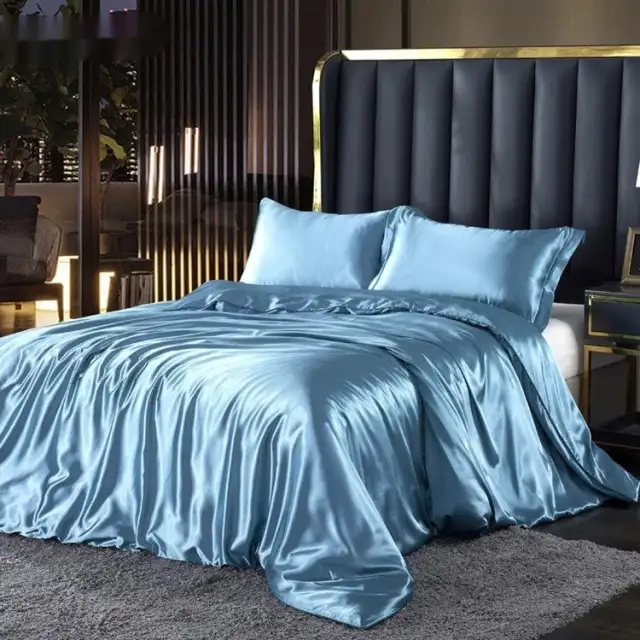
The two most-cited "studies" disagree with each other, and that matters. A Travelodge survey of UK homes found blue bedrooms correlated with the longest average sleep — about 7 hours 52 minutes — and the highest rate of waking up feeling happy. A separate Sleep Junkie survey of American adults found purple bedrooms scored highest, at 84% reporting good sleep, with blue second at 76%; both surveys agreed that beige and yellow performed worst. Neither of these is a controlled sleep-lab study — they're self-reported surveys run by companies with a marketing interest in a punchy headline, and I'd flag any specific percentage from either one as something to verify against the original report before publishing it as fact. The honest takeaway isn't "blue is proven" or "purple is proven" — it's that cool, desaturated, low-saturation colors consistently outperform warm, high-saturation ones across every version of this research, even when the specific hue disagrees.
Adults and kids need different logic, not just a paler palette. For an adult bedroom, the goal is lowering arousal before sleep, which favors desaturated cool tones. For a kid's room, the bigger variable is overstimulation during waking hours — bright, highly saturated colors (think primary red or orange) can keep a child's nervous system activated well past when you want them winding down, more so than in an adult, whose baseline arousal is already lower by evening. That argues for the same direction (muted over saturated) but doesn't mean a child's room has to be beige — a soft, dusty version of a favorite color (a muted coral instead of fire-engine red) keeps some personality without the overstimulation problem. Nightlights are the other variable that changes the calculation: many kids' rooms have some light on overnight, and warm-toned colors read very differently under warm nightlight than they do under daylight, so test the actual color under the actual nighttime lighting, not just during a daytime showroom visit.
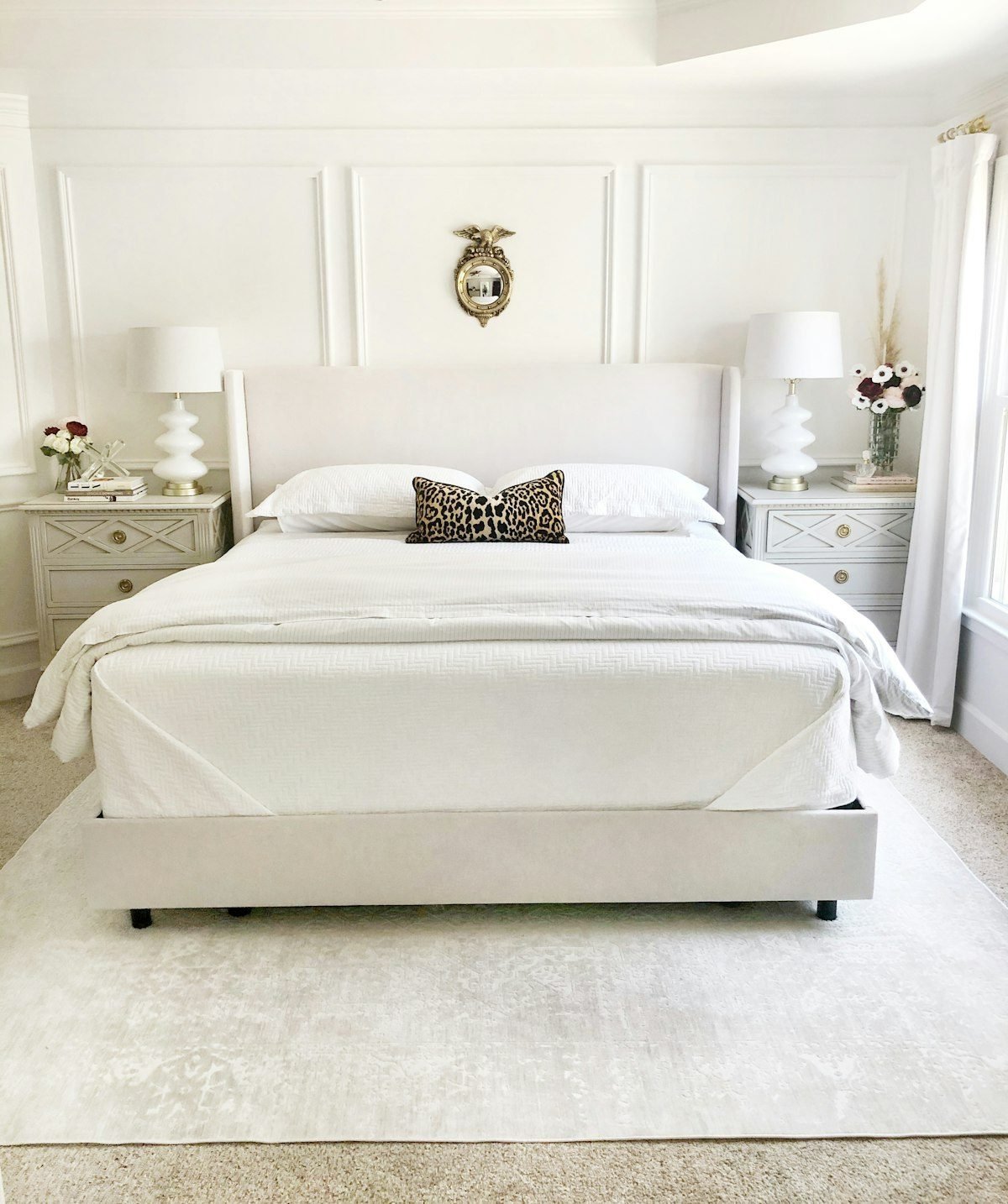
For small apartments, the number that matters more than hue is LRV — Light Reflectance Value. It's printed on the back of most paint swatches and measures how much light a color bounces back, from 0 (absolute black) to 100 (pure white). A small bedroom with limited windows benefits from a color in the LRV 50–65 range — light enough to bounce back what daylight you do get, without going so pale it feels sterile. Popular current bedroom colors like Sherwin-Williams Rainwashed (LRV 59) or Lullaby (LRV 65) sit right in that zone deliberately. Go much below LRV 40 in a small, low-light apartment bedroom and a color that looked calming on a paint chip can read as cave-like once it's on all four walls of a room that only gets afternoon light.
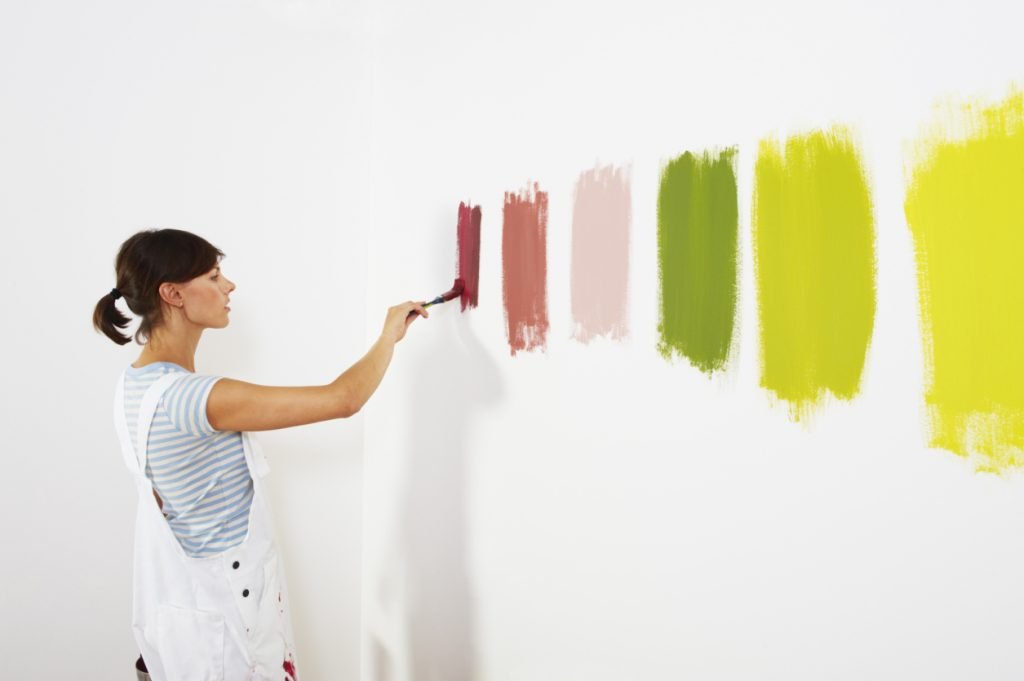
Sage green's 2026 popularity has a real mechanism behind it, not just trend timing. Muted, grayed-down greens sit at a moderate LRV with a cool-neutral undertone, which is why they read as calming without the coldness some blues carry — designers describe it as pairing the psychological association of green (nature, restoration) with a desaturation level closer to gray than to a bright leaf green. That combination is genuinely useful for a bedroom, not just fashionable, though whether it works in your room still depends on light direction: a north-facing room can pull a warm sage toward muddy gray, while the same color in south-facing light reads fresh and soft. Buy a sample pot and look at it in your own room at both 8 a.m. and 8 p.m. before committing — paint chips under store lighting are close to useless for this decision.
If you're moving or renovating and don't know your new room's light yet: hold off on locking in a final color until you've spent at least a few days in the space across different times of day. A color chosen from a swatch in your old apartment can shift noticeably under a new room's window orientation, and repainting twice costs more than the week of delay.
FAQs
What color bedroom is best for sleep?
There's no single scientifically settled answer — cool, desaturated tones (muted blues, soft greens, grays) consistently outperform warm, highly saturated ones across the available research, but the two most commonly cited consumer surveys disagree on whether blue or purple performs best specifically.
Does bedroom color actually affect sleep quality?
The color you're surrounded by while awake in the room can influence relaxation and arousal levels through visual processing tied to your circadian system, but the strongest sleep factors remain light exposure timing, room temperature, and noise — wall color is a secondary, supporting factor rather than the primary lever.
Is blue really the best color for a bedroom?
It's one of the better-performing colors in available research, but "best" depends on the specific shade — a muted, grayed blue reads as calming, while a bright, saturated blue can feel more energizing than restful.
What's the worst color for a bedroom?
Multiple surveys point to the same pattern: bright yellow and beige tend to score lowest for self-reported sleep quality, likely because beige reads as visually flat rather than calming, and bright yellow is inherently a high-energy, high-saturation color.
Are calming colors different for kids' rooms than adult rooms?
Yes — the direction (muted over saturated) is the same, but the reason differs: adults benefit from lower arousal before sleep, while kids benefit more from avoiding overstimulation during waking hours, which argues for softened versions of favorite colors rather than a completely different palette.
What is LRV and why does it matter for bedroom paint?
Light Reflectance Value measures how much light a color bounces back, on a 0–100 scale; it matters more than hue for small or low-light bedrooms, where an LRV roughly between 50 and 65 tends to keep a room feeling open without going stark white.
Is sage green a good bedroom color for sleep?
It can be — muted sage sits at a moderate LRV with a cool-neutral undertone, combining green's calming association with a desaturation level that avoids feeling cold, though it can read differently (warmer or muddier) depending on whether your room faces north or south.
What's the best bedroom color for a small apartment?
A color with an LRV in the 50s to mid-60s generally works best — light enough to keep the room feeling open, but not so pale that it feels sterile or shows every mark, which matters more in a small space you're in daily.
Should I test paint samples before committing to a bedroom color?
Yes, and specifically at more than one time of day — a color that looks calming under a store's lighting or an afternoon glance can shift noticeably under morning light, evening lamp light, or a north- vs. south-facing window, which is the single most common reason people repaint within a year.