
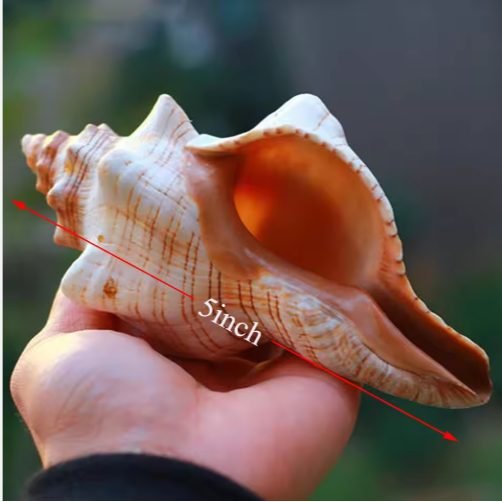
Flower Frog Size Calculator
A flower frog that is too big will not fit, and one that is too small will not hold your stems. Tell us about your vase and your flowers to get the frog size, the type of frog, roughly how many stems it holds and how tall to cut them.
Result
—
Vases and decor to style with your arrangement
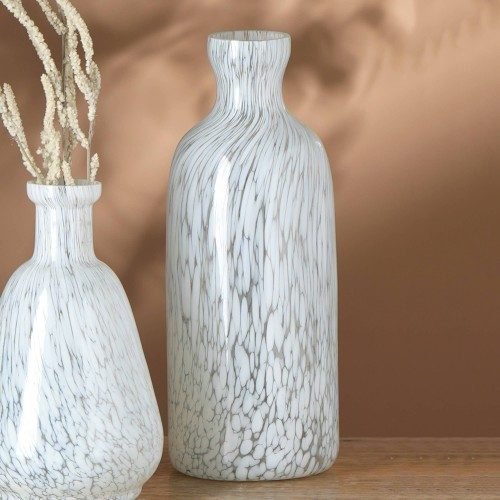
Flower Frog Size Chart
The chart shows the frog size that suits each inside base width, and roughly how many stems a pin frog of the typical size holds. It assumes a medium arrangement; the calculator above adjusts for your own vase and flowers.
| Vase inside base | Frog size range | Typical pick | Thin stems | Medium stems | Thick stems |
|---|---|---|---|---|---|
| 2 in (5 cm) | 1 in (25 mm) | 1 in (25 mm) | ≈ 5 | ≈ 2 | ≈ 1 |
| 3 in (8 cm) | 1–1.5 in (25–40 mm) | 1.5 in (40 mm) | ≈ 11 | ≈ 5 | ≈ 2 |
| 4 in (10 cm) | 1.5–2 in (40–50 mm) | 1.5 in (40 mm) | ≈ 11 | ≈ 5 | ≈ 2 |
| 5 in (13 cm) | 1.5–2.5 in (40–65 mm) | 2 in (50 mm) | ≈ 20 | ≈ 8 | ≈ 4 |
| 6 in (15 cm) | 2–3 in (50–75 mm) | 2.5 in (65 mm) | ≈ 32 | ≈ 14 | ≈ 6 |
| 7 in (18 cm) | 2.5–3.5 in (65–90 mm) | 3 in (75 mm) | ≈ 47 | ≈ 20 | ≈ 9 |
| 8 in (20 cm) | 2.5–4 in (65–100 mm) | 3.5 in (90 mm) | ≈ 64 | ≈ 27 | ≈ 12 |
| 10 in (25 cm) | 3.5–5 in (90–125 mm) | 4 in (100 mm) | ≈ 83 | ≈ 35 | ≈ 16 |
| 12 in (30 cm) | 4–5 in (100–125 mm) | 5 in (125 mm) | ≈ 130 | ≈ 56 | ≈ 26 |
| 14 in (36 cm) | 4.5–5 in (115–125 mm) | 5 in (125 mm) | ≈ 130 | ≈ 56 | ≈ 26 |
Stem counts are estimates for a pin frog: one thin stem per 0.15 square inches of frog, one medium stem per 0.35 and one thick or woody stem per 0.75. Real counts depend on how tightly your stems cluster.
Types of flower frogs
The type of frog matters as much as its size. Choose by what you are arranging and what you are arranging it in.
- Pin frog (kenzan). A heavy base set with upright metal needles. Stems are pushed onto the needles at any angle. This is the classic ikebana tool and the best all-rounder for medium and thick stems.
- Grid or hole frog (shippo style). A flat holder pierced with holes or crossed openings that stems slot through. It has no needles, so it is gentler on thin, soft stems.
- Cage or hairpin frog. A wire cage or a set of bent wire loops. It grips thick, woody or bulky stems that would split on pins, and it also works well in a deep container.
- Glass or ceramic vintage frogs. The pierced, domed holders from the early 20th century. They look lovely in a clear bowl, though the holes are fixed in size and they hold fewer stems than a pin frog.
- Frog lid. A grid top that sits across a narrow opening. It is the simplest answer when a pin frog will not fit through the neck of the vase.
How this calculator works
Everything here is a rule of thumb from flower arranging and ikebana practice. The ratios are our own editorial estimates, not lab-tested numbers, and you can treat them as a sound starting point.
Frog size: the frog should be roughly a third to a half of the width of the vase’s inside base. A small arrangement uses the lower end of that range and a large one uses the upper end. The result is rounded to a standard size from 1 to 5 inches (25 to 125 mm).
Narrow-neck vases: the frog has to pass through the opening, so it can be no larger than the opening minus a quarter of an inch.
Wide bases with big arrangements: when the inside base is wider than 8 inches and the arrangement is large, two or three smaller frogs anchor the stems better than one big frog.
Stem capacity: for a pin frog, we divide the frog’s surface area by the space one stem needs: about 0.15 square inches for thin stems, 0.35 for medium and 0.75 for thick or woody ones.
Stem length: in a tall vase, the flowers should show about one and a half to two times the vase’s height above the rim. In a low centerpiece, the tallest stem is about one and a half times the bowl’s diameter. For ikebana (moribana style), the main stem (shin) is one and a half times the bowl’s diameter plus its height, the second (soe) is three quarters of the shin and the third (hikae) is three quarters of the soe.
Water: keep the water at least 1 inch (2.5 cm) above the tips of the pins.
Tips for a better result
Measure inside the vase
Use the inside width at the bottom, not the outside of the glass. Thick glass or a heavy ceramic base can take half an inch or more from the usable space.
Secure the frog first
A frog that slides is the most common frustration. Press a few small pieces of floral putty (or waterproof clay) onto the dry base of the frog, press it firmly onto the dry bottom of the vase, then add the water.
Clean stem ends, sharp angle
Cut stems at an angle with clean, sharp scissors so they push onto the pins without crushing. Woody stems can be split a little way up the end so they take up water more easily.
Go one size up if you are between sizes
If your vase falls between two sizes in the chart, pick the larger frog for a full arrangement and the smaller one for a loose, airy one. A heavier frog is also steadier with tall branches.
Limitations of This Estimate
These are editorial estimates and rules of thumb, not tested measurements. Real frogs vary in height, needle spacing and weight, and every vase is a little different inside.
The stem counts assume a pin frog. Cage, grid and glass frogs hold fewer or more depending on their design, and how many stems really fit also depends on how closely you cluster them.
If you plan a very large or very heavy arrangement, secure the frog with putty and test it with dry stems before you add water.
Frequently Asked Questions
Choose a frog about one third to one half the width of the inside base of your vase. For a 6 inch bowl, that is a frog of about 2 to 3 inches. Small arrangements suit the lower end and large ones the upper end. In a narrow-neck vase the frog must also fit through the opening.
It depends on the frog area and the thickness of the stems. As an estimate, a 2.5 inch pin frog holds about 32 thin stems, 14 medium stems or 6 thick, woody stems. Use the calculator above to get a count for your frog and flowers.
Yes, if the opening is wide enough to reach the bottom. A small pin frog or a cage frog fixed to the base with putty will hold stems upright in a tall cylinder. In a narrow-neck vase, use a frog lid (a grid top) or a small pin frog that fits through the opening.
Cheap uncoated steel frogs can rust when they sit in water. Brass, stainless steel and coated frogs resist rust much better. Rinse and dry your frog after each use and store it dry.
It depends on what matters to you. A frog is reusable, holds stems at any angle and avoids single-use plastic foam. Foam is cheap and quick but is used once, and many designers now prefer reusable options. Both can work; the frog needs a little more technique.
Dry the base of the frog and the inside of the vase, press three or four small pieces of floral putty onto the frog, then press the frog firmly onto the bottom of the vase before adding water. Tall or heavy stems may need extra putty.
Read the guides
Flower Frog Vases: What They Are, Types & How to Choose
The full guide to flower frogs and flower frog vases.
Read the guideHow to Use a Flower Frog: Step-by-Step Guide
Set up, anchor and arrange with a frog, plus common mistakes.
Read the guideFlower Frog vs Floral Foam: The Eco-Friendly Choice
A balanced look at foam and the reusable alternatives.
Read the guideFlower Frog Size Guide: What Size Do You Need?
Size and stem-capacity tables with examples for common vases.
Read the guide
Related Calculators
Wall Art Size & Height Calculator
Style the wall behind your arrangement: pick the right art size and hanging height.
Use the Wall Art Size & Height CalculatorCoffee Table Size Calculator
Check the table you will put your centerpiece on is the right size for your sofa.
Use the Coffee Table Size CalculatorDining Table Size Calculator
Work out the table size for your guests, then plan a centerpiece to suit.
Use the Dining Table Size Calculator