
Standard Rug Sizes and Room Compatibility
# Standard Rug Sizes and Room Compatibility
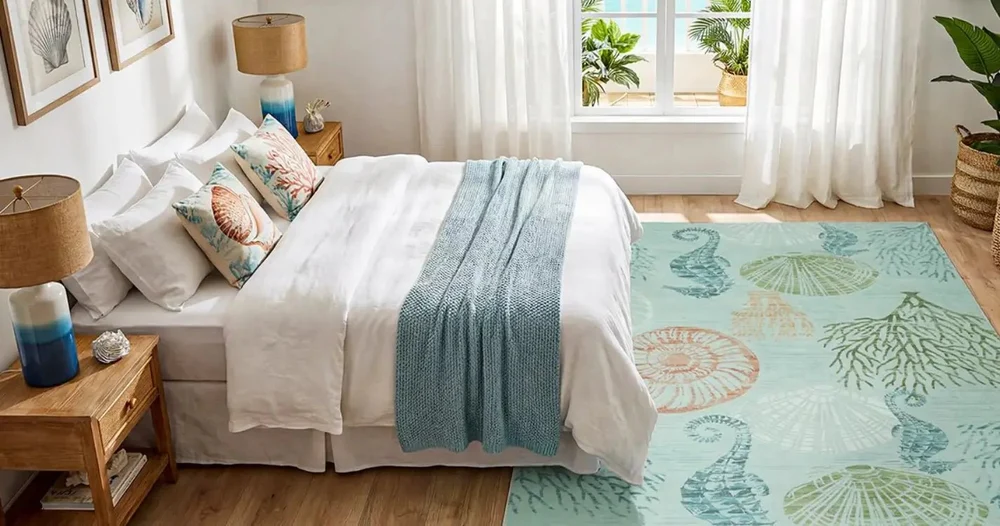
When selecting rug size, understanding standard dimensions helps match your choice to your space. The most common size is the 9x12, which works well in most living areas. The 8x10 is the most versatile size for varied room layouts, while the 6x9 suits small spaces effectively. For medium-sized living rooms, the 8x10 provides balanced coverage without overwhelming the area. Matching rug to room dimensions involves measuring your space and considering furniture placement. The largest spillproof rug option depends on your room's footprint, but these standard sizes offer practical solutions for most homes.
Furniture Placement Strategies and Rug Positioning
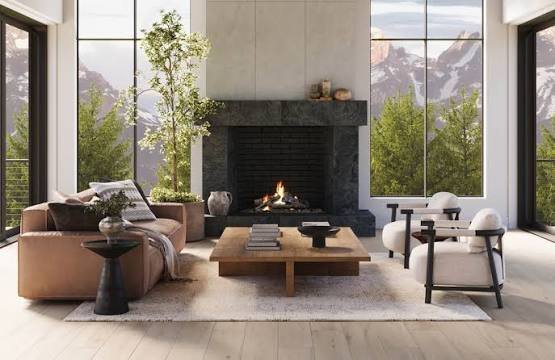
Effective furniture arrangement depends on understanding how your rug anchors the space. Position your rug so it extends 6 inches past sofa sides, creating visual balance and defining the seating zone. Maintain 18 to 24 inches walkway space around the perimeter to ensure comfortable movement through your room. In an open concept home, rugs become powerful tools for dividing areas. Within large open concepts, use a rug as a subsection within larger area, establishing distinct zones for different activities. This layout design approach maintains clear room flow while anchoring furniture groupings without visual clutter.
Common Sizing Mistakes and Best Practices
A rug too small creates a fragmented look that fails to anchor your seating area. Small rug problems include a spotty look where furniture pieces feel isolated rather than unified. Avoiding undersized rugs means ensuring adequate coverage so your sofa front legs and main seating rest on the rug surface. Conversely, a rug too large can overwhelm the room and create a disjointed appearance by extending too far beyond furniture boundaries. Preventing oversized rugs maintains visual balance. Proper sizing achieves seating area connection by connecting furniture pieces into one cohesive zone, making your living room feel intentional and complete.
Visual Planning and Layout Visualization Techniques
Testing your rug placement before committing to a purchase prevents expensive returns and exchanges. Start by marking rug size on floor using painter's tape to create an outline of your intended dimensions. This simple technique enables exact visualization of how the rug will function in your space. Walk through the area by walking around taped area to assess traffic flow and furniture positioning. Visualizing rug placement this way reveals whether your choice complements your layout testing goals. Consider adding a rug pad within the taped boundary to preview the complete setup. These design planning tools take minimal time but deliver clarity that eliminates uncertainty when before buying decisions matter most.
Rug Material Selection and Composition
# Rug Material Selection and Composition
Material selection shapes both how your rug performs and how it feels underfoot. Wool is naturally resilient, resisting wear and maintaining its appearance through years of use. Cotton offers a soft underfoot feel that works well in casual spaces, though it requires more frequent cleaning. Jute provides an earthy texture ideal for natural design schemes but demands careful placement away from high-traffic zones. When considering underfoot feel, think about your household's daily activities. Layering different materials through texture contrast or pattern layering adds visual depth while letting you balance comfort with durability. Your choice should align with how intensively you use your living room and the aesthetic direction you're pursuing.
Color, Pattern, and Design Coordination
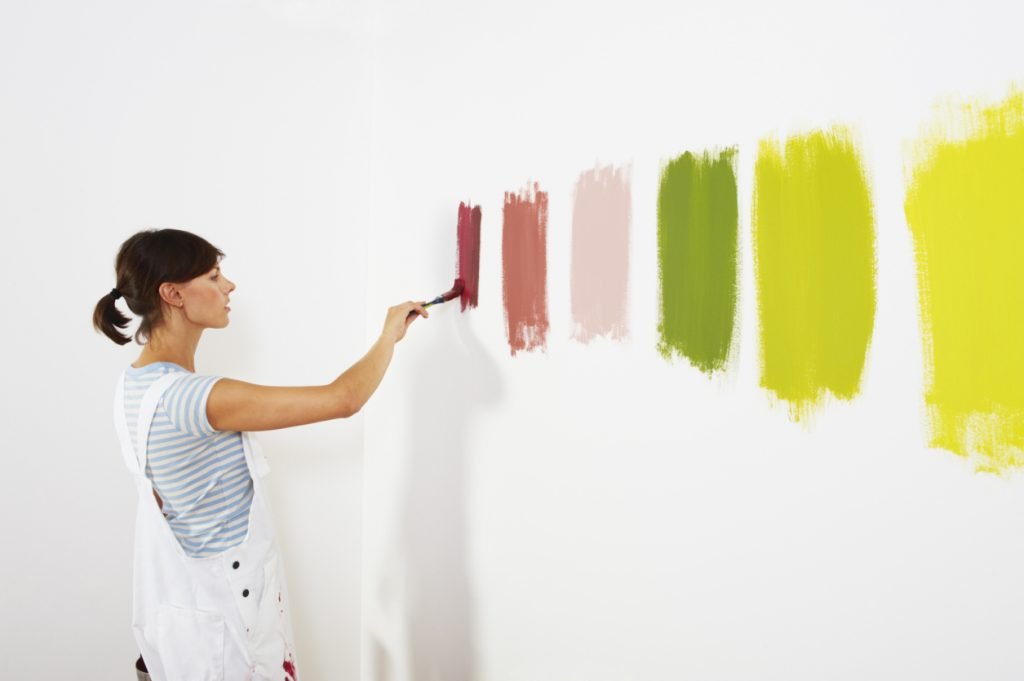
Begin by starting with room palette and identifying colors already present in your furniture and walls. Look at your existing palette to understand which tones dominate the space. Choosing colors like soft neutrals or faded reds creates harmony when you're echoing color from furniture. This approach ensures your rug complements rather than clashes with your furniture color.
Selecting patterns works best when aligned with your design style and desired room mood. A bold geometric pattern energizes a space, while subtle textures promote calm. Consider whether your pattern choices support the atmosphere you want to create. The right balance between color and pattern transforms your rug from a functional piece into a design anchor that ties your living room together intentionally.
Rug Maintenance and Care Practices
# Rug Maintenance and Care Practices
Preserve your rug's appearance and longevity through consistent upkeep. Begin by vacuuming regularly with a quality vacuum to remove surface dust and debris before it embeds in fibers. When accidents happen, address them immediately using prompt blotting with a clean cloth or clean dry cloth to absorb moisture before it sets. Avoid rubbing, which pushes liquid deeper into the pile. For ongoing spill management, keep cleaning supplies accessible for quick response. Protect your investment by rotating rug every six to twelve months to ensure even wear patterns. Place a rug pad underneath to prevent shifting and add fiber protection against moisture and ground-level damage. These practices maintain your rug's condition and extend its useful life significantly.
Room Size Guidelines and Rug Dimension Recommendations
Understanding room size compatibility ensures your rug functions effectively in your living space. For smaller spaces, an 8x10 provides adequate coverage without overwhelming the area. Mid-sized spaces benefit from 9x12 dimensions that anchor furniture while maintaining walkway clearance. Rooms measuring 11'x13' or larger accommodate 9x12 comfortably, while those 12'x18' or larger support multiple rugs or oversized options. Assessing room adequacy involves measuring your footprint and considering furniture placement. Matching rug size to room dimensions creates visual balance and prevents undersizing or oversizing. Proper room scale alignment transforms your rug from a floor covering into an intentional design element that grounds your seating arrangement and defines your living room's functional zones.